

Introduction: The Spirit of Indie Gaming
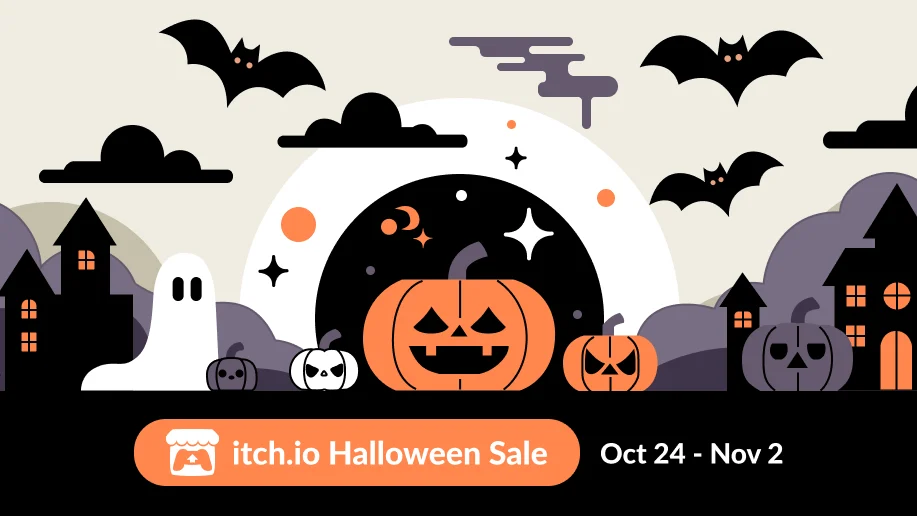
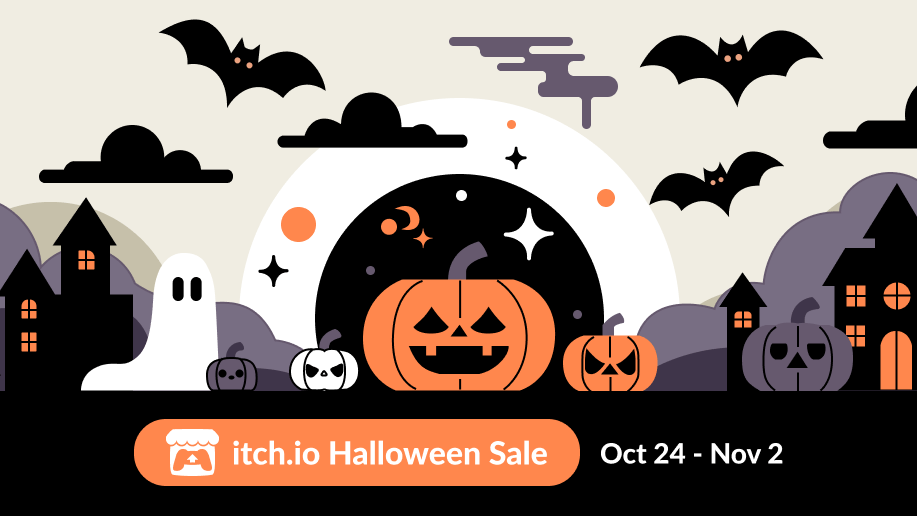
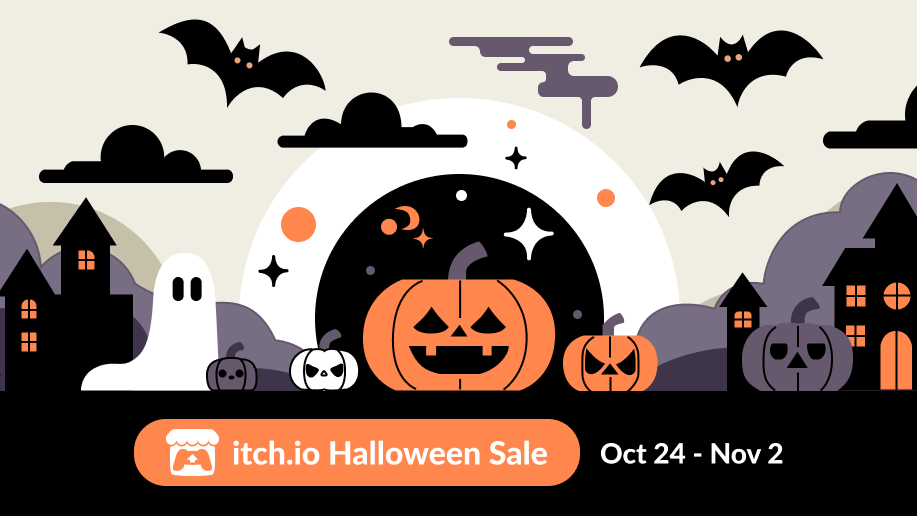
Halloween has long been associated with the macabre, the mysterious, and the chilling, but in the digital age, it has also become a hallmark season for the gaming industry. While major AAA publishers often roll out massive, algorithm-driven sales, the independent scene—anchored by platforms like itch.io—takes a decidedly different approach. The itch.io Halloween sale represents more than just a reduction in price; it serves as a community-driven celebration of the creativity, experimentation, and "indie spirit" that defines the platform. By looking back at the specific metrics and community engagement surrounding their most recent high-profile events, we can understand how itch.io continues to thrive as a hub for developers and players alike.
Main Facts: The Anatomy of the Event
The itch.io Halloween sale is characterized by a curated, bundle-centric model that prioritizes volume and value. Unlike traditional storefronts that focus on individual title discounts, itch.io frequently leverages the power of community bundles.
At the heart of the most recent featured event was a massive collection of 120 unique items offered for a flat, accessible price of $60.00. This bundle approach is designed to introduce players to a wide array of titles they might otherwise overlook, ranging from experimental horror projects and lo-fi aesthetics to innovative gameplay mechanics that challenge the status quo of mainstream gaming.
The event was not merely a commercial transaction; it was a collaborative effort. With 274 individual contributors supporting the initiative, the sale reached 105% of its internal goal, underscoring a level of engagement that is rarely seen on larger, more sterile distribution platforms. The average contribution per user sat at approximately $61.62, slightly above the base price, indicating that many users chose to contribute extra to support the developers behind the games.
Chronology: From Concept to Completion
The timeline of an itch.io sale is markedly different from the static sales seen on consoles.
- Preparation Phase: Weeks leading up to October 31st, developers submit their projects to be considered for inclusion in curated bundles. This process is transparent, allowing for a grassroots curation that reflects the current trends in the indie scene.
- The Launch: As the "spooky season" kicks off, the bundle goes live. The platform’s blog becomes a central hub for discourse, where developers share trailers, behind-the-scenes concept art, and developer diaries.
- The Peak: The days leading up to Halloween see a surge in traffic. Data indicates that the community remains highly active during this period, with thousands of eyes on the bundle’s progress bar.
- The Conclusion: The event officially concluded on November 1st, at 03:59:59 UTC. This marks the transition from the sale period to the post-mortem phase, where the platform analyzes the data to refine future offerings.
Supporting Data: Why the Numbers Matter
The success of the Halloween sale is measured in more than just gross revenue. It is measured in reach and developer support.
- Total Items: 120 unique games, assets, or software tools.
- Target Achievement: 105% of the goal reached. This suggests that the platform’s projections are accurate and that the community’s appetite for indie content remains robust.
- Community Depth: 274 contributors. While this number may seem small compared to millions-of-user platforms, the "density" of these contributions is high. The participants are not just customers; they are patrons of the arts.
- Financial Tiers: With an average contribution of $61.62 and a top individual contribution of $121.00, it is clear that the itch.io audience views these purchases as a form of patronage. They are investing in the future of the developers they love, rather than simply looking for the cheapest possible price.
These figures illustrate a "virtuous cycle." When players pay above the asking price, it empowers developers to create larger, more ambitious projects for the following year. This keeps the ecosystem healthy and ensures that the platform remains a viable alternative to the more restrictive walled gardens of the industry.
Official Responses and Community Discourse
While official statements from itch.io are often succinct—maintaining a casual, approachable tone consistent with their brand—the impact of their communication strategy is significant. By asking, "What are you picking up this Halloween?" the platform effectively pivots the conversation from a consumer-only mindset to one of shared experience.
The comments sections on these blog posts serve as a vital feedback loop. Developers often jump in to discuss their contributions, while players provide immediate feedback on the games they have downloaded. This direct line of communication is a cornerstone of the itch.io experience. It demystifies the development process and fosters a sense of belonging that is often absent in larger gaming communities.
Implications: The Future of Indie Distribution
The success of the itch.io Halloween sale carries profound implications for the future of digital distribution:
1. The Death of the "Discount"
The modern player is becoming increasingly aware of the "race to the bottom" in pricing. By focusing on bundles, itch.io signals that value is defined by the quality and diversity of the content, not by how cheaply it can be obtained. This encourages a sustainable economic model where developers are not forced to devalue their work just to compete with massive deep-discount sales.
2. The Rise of Micro-Communities
The platform’s structure encourages the formation of micro-communities around specific genres or aesthetics—such as the "haunted," "lo-fi," or "experimental" categories that proliferate during Halloween. These communities are more resilient than generalist gaming audiences because they are built on shared aesthetic and artistic values.
3. Sustainability through Direct Support
The fact that contributors often exceed the recommended price point is a testament to the "Patronage Model." As the gaming industry continues to struggle with the ethics of microtransactions and loot boxes, itch.io offers a cleaner, more ethical alternative: direct, transparent support for the creators.
4. Curation over Algorithm
While Steam and other major platforms rely heavily on complex algorithms to push content, itch.io continues to favor human curation and thematic bundles. This creates a more "discovery-friendly" environment. During the Halloween event, a player isn’t just seeing a list of games; they are being guided through a narrative of what indie horror or atmospheric gaming looks like in the current year.
Conclusion: A Model for Sustainable Creativity
The itch.io Halloween sale is a microcosm of what the independent gaming scene aspires to be: collaborative, transparent, and driven by passion. By moving away from the aggressive, predatory sales tactics of the wider industry, the platform has cultivated a space where developers can take risks and players can feel like active participants in the creative process.
As we look toward future events, it is clear that the "itch.io way"—prioritizing the community, the bundle, and the developer—will remain a vital component of the gaming landscape. Whether you are a solo developer looking for your first audience or a player searching for your next obsession, these sales provide the ideal venue for connection. The numbers from this past Halloween confirm that when you treat the audience like adults and the developers like artists, the result is not just a successful sale, but a thriving, enduring community.
For those who participated, the value is not just in the 120 items acquired, but in the knowledge that their support keeps the lights on for the next wave of indie innovation. As the industry continues to shift, platforms like itch.io will likely serve as the lighthouse, guiding us toward a more sustainable and creative future for digital entertainment.
